Preservation and assessment
Evidence-grade preservation of the publications; fact or opinion; what are the prospects.
PRACTICE / 07
A defamatory article, a fake review, a “leak” in a Telegram channel — reputational attacks have become routine. The law provides tools: retraction, removal of false statements, compensation. We move fast: the earlier a publication is preserved as evidence, the stronger the position.
First we determine what we are dealing with: an assertion of fact, which can be verified and retracted, or a value judgment, which is pointless to fight in court. That honest answer comes at the first consultation — before any costs.
HOW THE WORK IS BUILT
Evidence-grade preservation of the publications; fact or opinion; what are the prospects.
Demands for retraction and removal; negotiations with platforms.
The claim, linguistic expert evidence, representation.
Control over publication of the retraction and removal of the statements.
WHO HANDLES IT
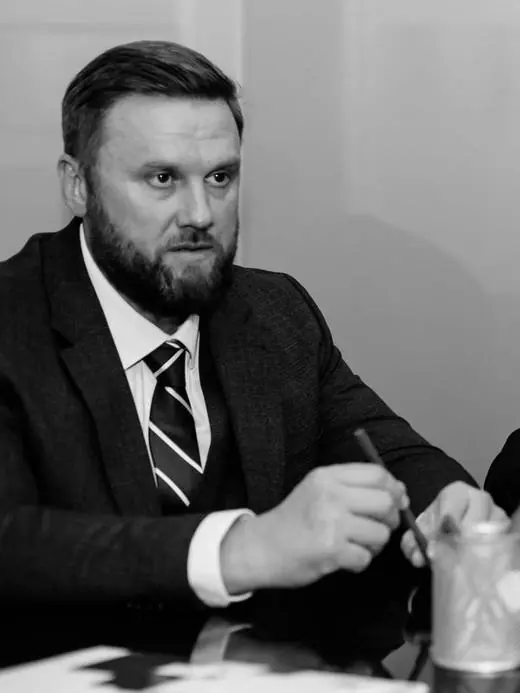
Attorney since 2009, chairman of the bar association since 2019. Criminal and commercial litigation, personal and corporate insolvency.
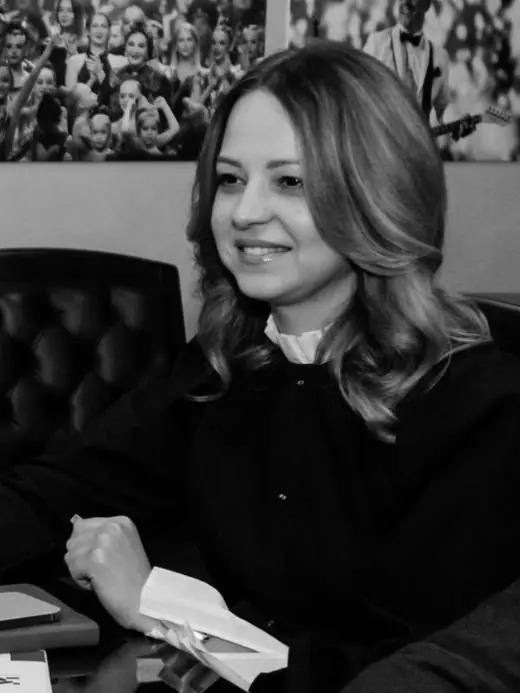
In the profession since 2011, called to the bar in 2019. Civil, commercial and corporate disputes, criminal defence, real estate, business support, insolvency.
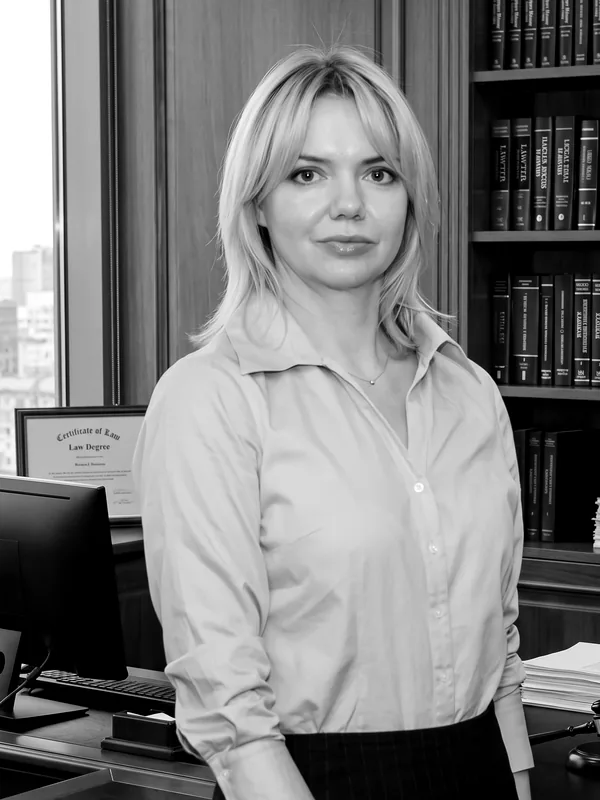
Attorney since 2010, practising in Moscow since 2020. Employment, family, inheritance and housing disputes; pro bono expert to the Moscow Commissioner for the Protection of Entrepreneurs’ Rights.
QUESTIONS
Sometimes yes: platforms and media respond to reasoned demands, especially where falsity is obvious. The pre-trial stage is the mandatory first step — and quite often the last.
Assertions of law-breaking, dishonesty or bad faith in business — where they are untrue. Opinions and value judgments are not subject to retraction, so classifying the text is the key to the case.
Yes: such statements can be declared false in special proceedings, and removal can be demanded from the site owner. We go through the options at the consultation.
NEXT STEP
Let’s discuss your situation
The consultation is free when an agreement is signed: that is where we say whether the case has prospects and how the work would be built.