Studying the case
Analysis of the file and judgments: which violations actually work at the reviewing instance.
PRACTICE / 13
A lost case is not always the end: judgments and convictions can be taken to appeal, cassation, supervisory review and review on new circumstances. But every rung has its own deadlines and its own demands of the complaint. We start with an honest answer: is there anything to hold on to?
A complaint “against everything at once” does not work: the reviewing courts check specific violations — procedural and substantive. So first we study the file and the judgments, then say plainly: there are grounds, or filing would waste your time and money.
HOW THE WORK IS BUILT
Analysis of the file and judgments: which violations actually work at the reviewing instance.
Drafting to the standards of the specific instance; deadline control.
Participation in the hearing; additional arguments and documents.
WHO HANDLES IT

Attorney since 2009, chairman of the bar association since 2019. Criminal and commercial litigation, personal and corporate insolvency.

Attorney since 2014; before that, more than twenty years in military prosecution offices. Retired colonel of justice.
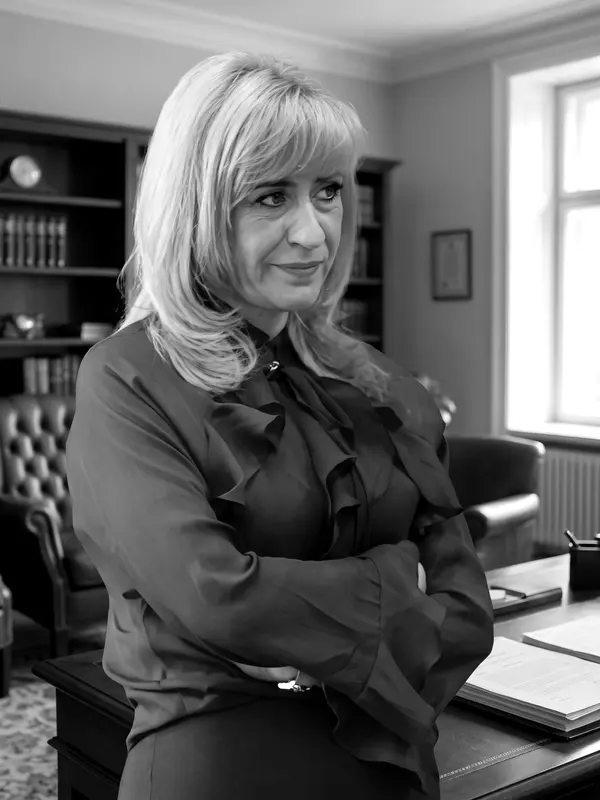
For fourteen years a judge of the Primorsky District Court of Mariupol, and before that a prosecution investigator. Called to the bar in 2026; handles cases at the association’s Mariupol office.
QUESTIONS
Each instance and case type has its own — from a month for a civil appeal to special periods in cassation and supervision. A deadline missed for good reason can be restored, but do not delay: every week costs chances.
Cassation overturns judgments for material violations — a minority of cases, and no one may promise reversal. After studying the file we say honestly whether grounds exist, and we do not file complaints for their own sake.
Yes — that is normal at the reviewing stages. We need the case file and the judgments; then comes the assessment and the decision whether to go on.
NEXT STEP
Let’s discuss your situation
The consultation is free when an agreement is signed: that is where we say whether the case has prospects and how the work would be built.